Contents
The Boeing 717 is a twin-engine, short-haul airliner seating up to 134 passengers, developed from the McDonnell Douglas DC-9 family as its final, smallest derivative. It was designed to replace ageing DC-9s on short regional routes, and it carried the Boeing name only because Boeing acquired McDonnell Douglas while the aircraft was in development1. Production has ended, but the type still flies with a small number of airlines.
Design and development
The 717’s roots go back to a 1983 McDonnell Douglas study for a smaller version of the DC-9. That work led to the MD-95, announced at the 1991 Paris Air Show as a shortened derivative of the MD-80. When Boeing acquired McDonnell Douglas in August 1997, it kept the programme alive and renamed the aircraft the 717. Assembly had already begun in May 1997; the first aircraft rolled out on 10 June 1998 and made its first flight on 2 September 1998. The FAA granted type certification on 1 September 19991.
Specifications
The 717-200 is 37.8 m long with a wingspan of 28.45 m. Maximum take-off weight is 49,895 kg, and range is about 2,645 km. It typically seats 106 passengers in a two-class layout, or up to 134 in a high-density single-class cabin, and cruises at around 811 km/h. It is powered by two Rolls-Royce BR715 turbofans1, mounted at the rear of the fuselage in the same T-tail layout as the DC-9 it descends from.
Variants
Only one version reached production, the 717-200, powered by two Rolls-Royce BR715 engines and seating up to 134 passengers. McDonnell Douglas and Boeing studied other versions, including a shorter 717-100, a stretched 717-300X and a 717 Business Express corporate variant1, but none of them were built.
Operators and service
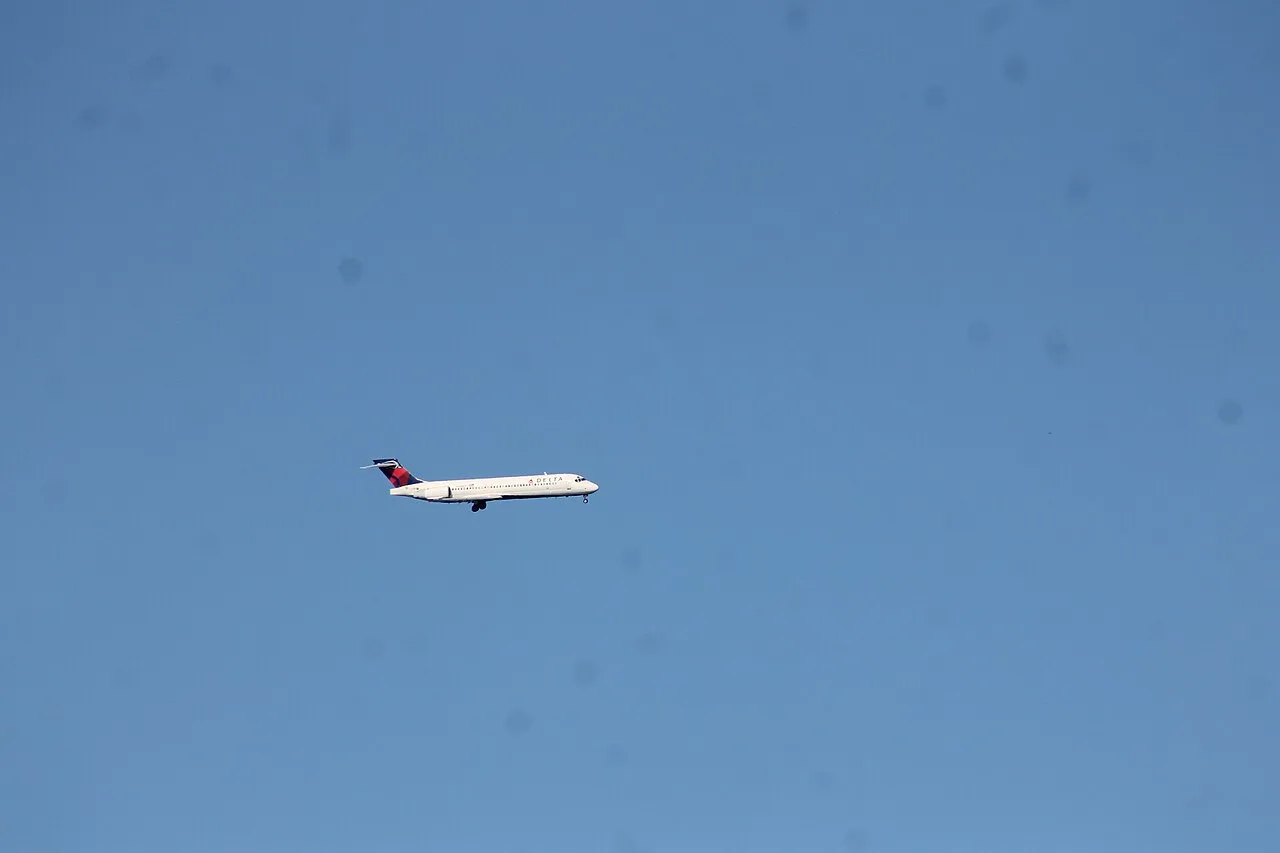
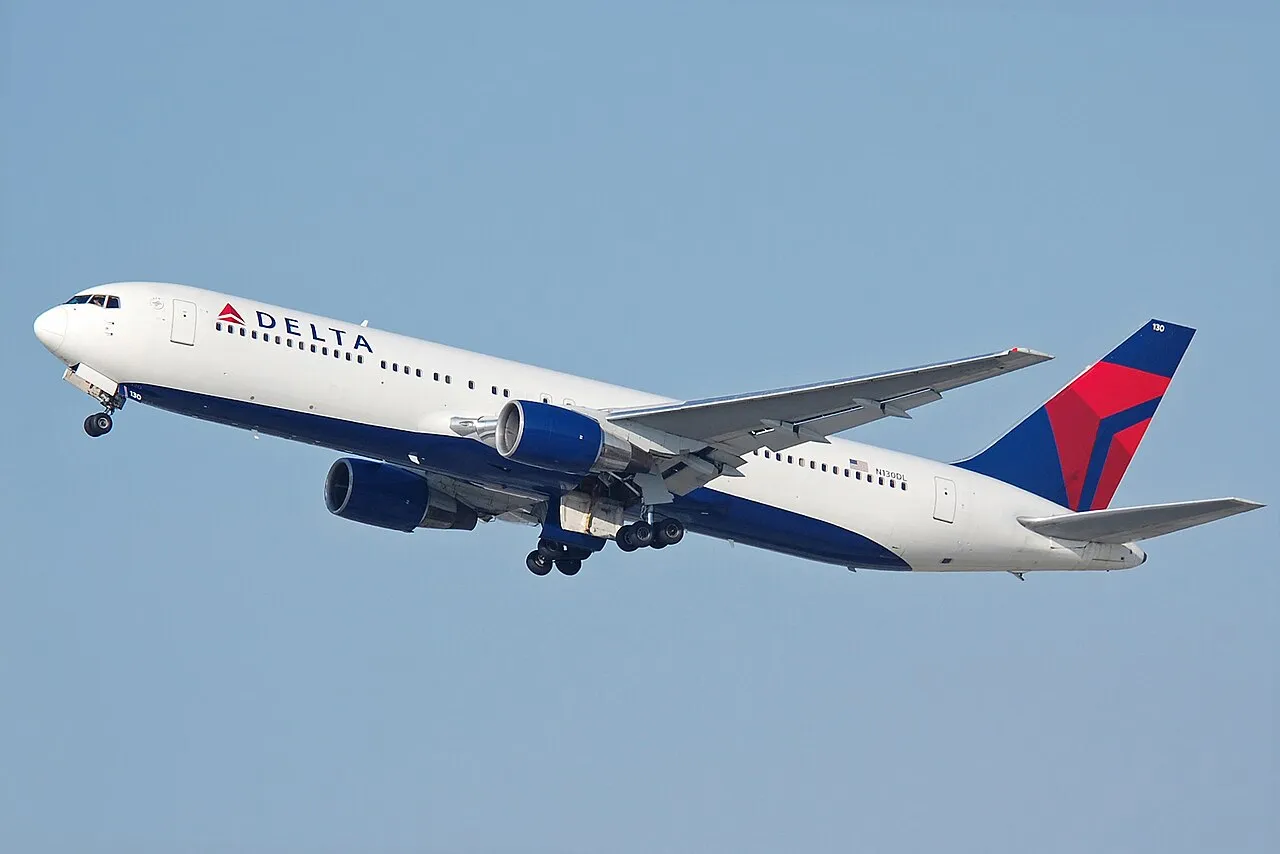
Commercial service began on 12 October 1999 with ValuJet, which had rebranded as AirTran Airways. Boeing delivered 156 aircraft in total between 1998 and 2006, with the final two handed over on 23 May 2006, after which production ended. The type went on to fly with a number of airlines worldwide; in Australia, QantasLink operated the 717 on regional routes until its last aircraft made a final flight from Canberra to Brisbane in December 2024, ending 717 operations outside the United States. Today the largest operators are American carriers: as of November 2024, Delta Air Lines flew 80 of the aircraft and Hawaiian Airlines 191, together making up most of the roughly 99 aircraft still in service.
Safety record
The Boeing 717 has not been involved in a hull loss or a fatal accident. As of March 2025, the type had been involved in six aviation accidents and incidents, none of them resulting in a hull loss or a fatality1.
Similar aircraft
- Embraer E190: a similarly sized regional jet from a later generation, built to serve the same short-haul routes the 717 was designed for.
- Airbus A220: a newer, more fuel-efficient regional jet (originally the Bombardier CSeries) that competes for the same size category the 717 once filled.
_ZbySau.webp)
_ZnEDr2.webp)
_Z1wAcy8.webp)