_ZnEDr2.webp)
The Boeing 787 Dreamliner is a twin-engine, long-haul widebody airliner built by Boeing Commercial Airplanes, made largely of composite materials rather than aluminium. Boeing designed it to open new long, thin long-haul routes that earlier widebodies could not fly profitably2, and it has become a mainstay of international airline fleets since entering service. The type remains in production and in active airline service1.
Design and development
The 787’s first flight took place on 15 December 20091, several years after the programme was originally expected to fly, following well-documented delays in its composite structure and global supply chain.
Its signature feature is a fuselage and wing built mostly from carbon-fibre-reinforced polymer1, a departure from the aluminium construction of earlier Boeing widebodies. Boeing pairs that lighter structure with two General Electric GEnx-1B or two Rolls-Royce Trent 1000 turbofans2, giving airlines a choice of engine type on the same airframe.
Specifications
The 787 comes in three fuselage lengths. The mid-size 787-9, the most-produced variant, is 62.8 metres long, while the family ranges from 56.7 metres for the shortest 787-8 to 68.3 metres for the stretched 787-10. All three variants share a wingspan of 60.1 metres. Maximum take-off weight scales with size, from 227,930 kg for the 787-8 up to 260,360 kg for the 787-10, with the 787-9 at 259,220 kg2.
Range is the type’s calling card: the 787-9 can fly up to 15,370 km, while the longer 787-10 trades range for capacity at 13,890 km. Typical two-class seating runs from 200-275 on the 787-8, through 250-325 on the 787-9, to 300-375 on the 787-102, and the aircraft cruises at Mach 0.85, about 903 km/h. List prices in 2019 ran from 248.3 million dollars for the 787-8 to 338.4 million dollars for the 787-101, though airlines typically pay well below list after discounts.
Variants
The family has three members built around one wing and cross-section: the short 787-8, the mid-size 787-9, and the stretched 787-10, which differ chiefly in length, weight, range and seating as set out above. The 787-9 is the most-produced of the three2. By August 2026, 1,303 787s had been built across the three variants1.
Operators and service
With more than 1,300 aircraft delivered across the three variants, the 787 is in widespread airline service on long-haul routes, and the type remains in production1 for new orders from airlines worldwide.
Similar aircraft
- Airbus A350: Airbus’s rival composite-airframe widebody, aimed at the same long-haul market as the 787.
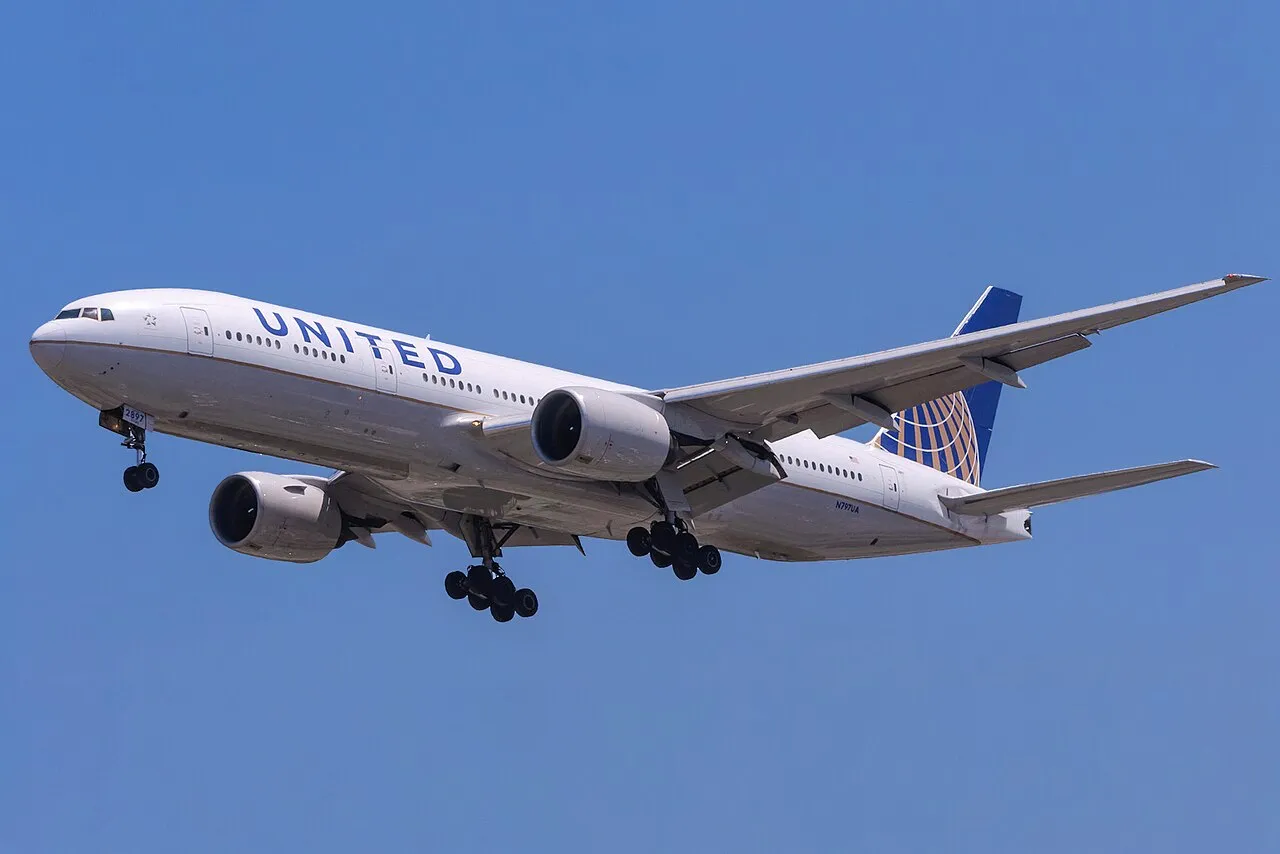
- Boeing 777: Boeing’s larger, earlier twin-engine widebody, often flown on denser long-haul routes alongside the 787.
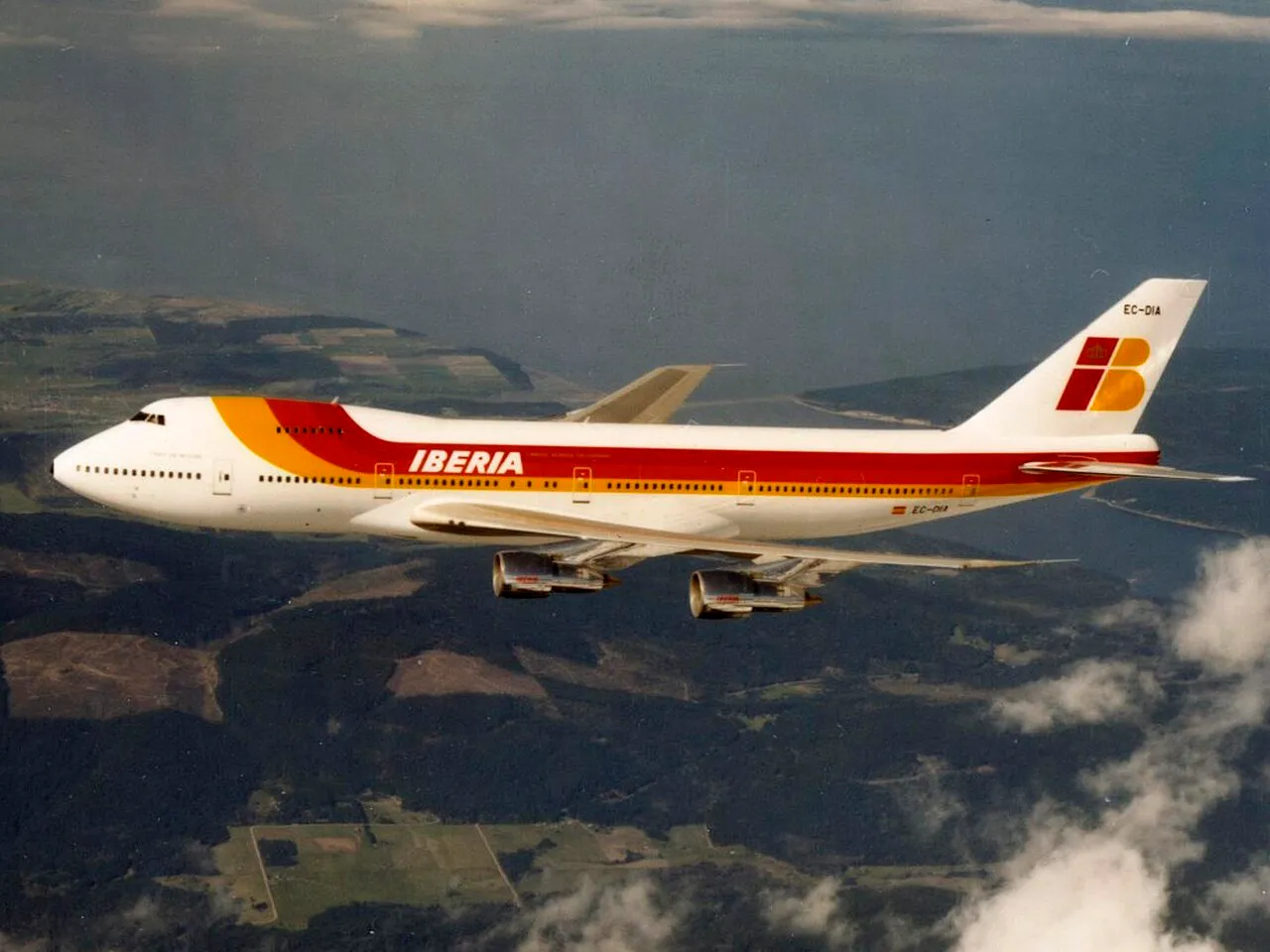
- Boeing 747: the four-engine jumbo jet the 787 and other twinjets have displaced on many long-haul routes.
_ZbySau.webp)
_Z1wAcy8.webp)