Contents
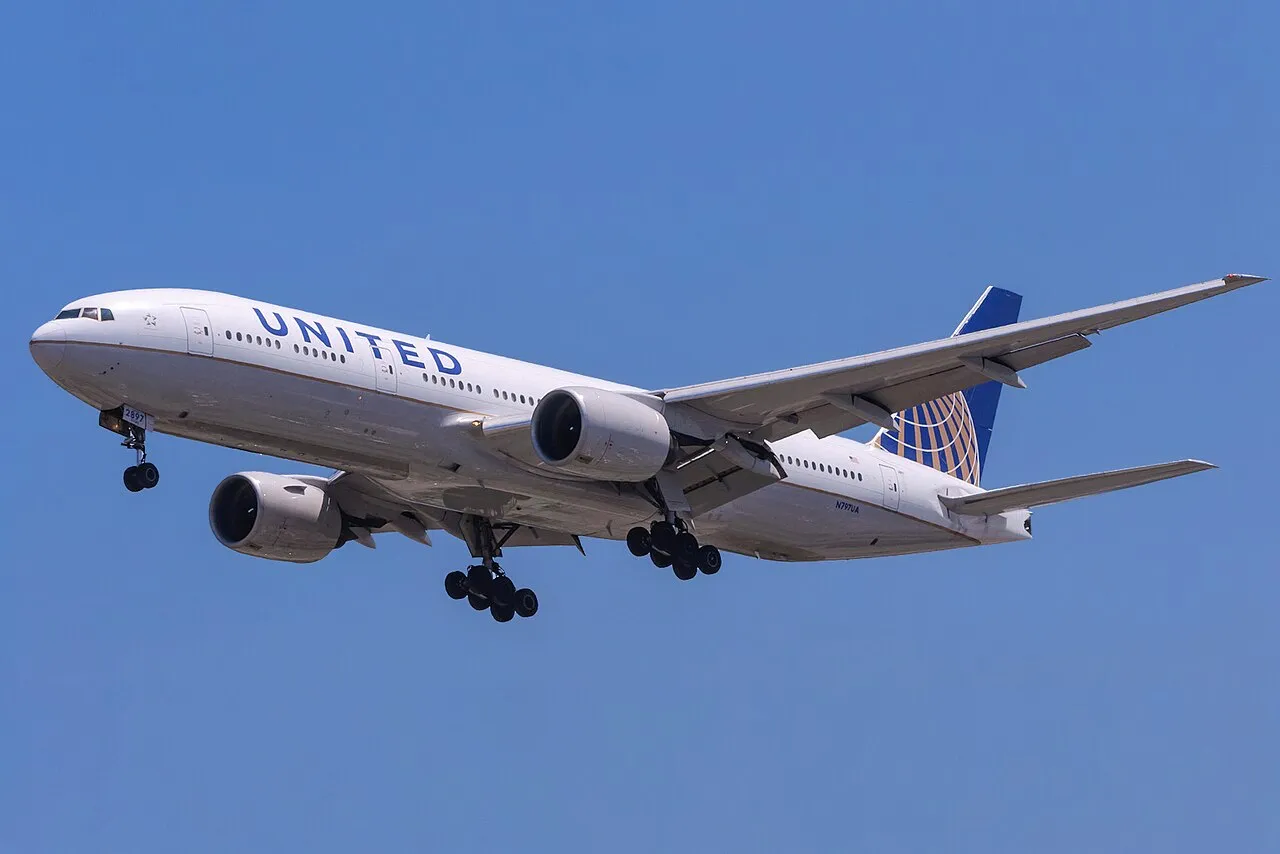
The Boeing 777 is a long-range, wide-body airliner built by Boeing, the first jetliner designed almost entirely by computer and the first twin-engine widebody certified for extended overwater flight without a third engine as backup. Boeing built it to carry passengers over long routes with the economics of two large engines instead of three or four2, and the family spans five passenger variants plus a freighter. The 777-300ER and 777 Freighter remain in production, while earlier variants are out of production but still widely flown1.
Design and development
Boeing launched the programme to fill the gap between its 767 and 747, working with eight airlines, All Nippon Airways, American Airlines, British Airways, Cathay Pacific, Delta Air Lines, Japan Airlines, Qantas and United Airlines, in a “Working Together” group that shaped the design requirements. The first variant, the 777-200, made its first flight on 12 June 1994 and entered service with launch operator United Airlines on 7 June 19951. The type was the first commercial aircraft designed entirely using computer-aided design software rather than physical mock-ups, a method Boeing says let engineers catch interference and fit problems before any metal was cut. Boeing later stretched, lightened and extended the family twice: the longer-range 777-200ER and the stretched 777-300 followed in the 1990s, and the second-generation 777-300ER and ultra-long-range 777-200LR arrived in the 2000s with new, higher-thrust engines and raked wingtips.
Specifications
Because the family spans five passenger variants built over three decades, its dimensions cover a wide range. Overall length runs from 63.7 m on the original 777-200 to 73.9 m on the stretched 777-300 and 777-300ER. Wingspan is 60.9 m on the 777-200, 777-200ER and 777-300, widening to 64.8 m on the second-generation 777-200LR and 777-300ER, which added raked wingtips. Maximum take-off weight ranges from 247,000 kg on the original 777-200 to 351,530 kg on the heaviest 777-300ER, and typical two-class seating from 300–375 passengers on the 777-200ER and 777-200LR to 350–425 on the 777-300ER. Range extends from 9,700 km on the original 777-200 to 15,740 km on the ultra-long-range 777-200LR2, the variant Boeing built to connect almost any two cities on earth nonstop.
The family has always flown on two engines, offered from three manufacturers across its life: Pratt & Whitney PW4000, General Electric GE90, and Rolls-Royce Trent 800 or Trent 895 turbofans2, with the GE90-115B on the 777-300ER and 777-200LR standing at the time of its introduction as the most powerful jet engine ever certified. Cruise speed is Mach 0.83, about 905 km/h at cruise altitude. At 2019 list prices, a 777 costs between $306.6 million and $375.5 million depending on variant1.
Variants
The family began with the 777-200, the baseline model that first flew in 1994, followed by the 777-200ER (Extended Range), which added fuel capacity and higher take-off weights for longer routes. The 777-300 stretched the fuselage for more seats on high-density routes without extending range. Boeing then re-engined and extended the family a second time: the 777-300ER (Extended Range) combined the stretched fuselage with GE90-115B engines and raked wingtips for both more seats and more range, while the 777-200LR (Longer Range), marketed as the Worldliner, carries less seating but was built for Boeing’s longest-range routes. A dedicated freighter, the 777 Freighter, is based on the 777-200LR airframe1.
Operators and service
The 777-200 entered service with United Airlines on 7 June 1995, and the family has since flown with major long-haul carriers worldwide; Emirates is the largest operator, alongside Qatar Airways, United Airlines and American Airlines across its various generations. Production has run continuously since 1993, with 1,794 aircraft delivered as of August 2026. Early variants, the original 777-200 in particular, have been retired by many first operators, while the 777-300ER remains widely flown and, with the 777 Freighter, is still in production1.
Safety record
As of May 2024 the 777 had been involved in 31 aviation accidents and incidents, including eight hull losses, five of them fatal, with 542 fatalities in total1. The first was Asiana Airlines Flight 214, a 777-200ER that crashed on landing at San Francisco on 6 July 2013, killing 3 of the 307 people aboard after an unstable approach caused by pilot error3. The deadliest was Malaysia Airlines Flight 17, a 777-200ER shot down by a surface-to-air missile over eastern Ukraine on 17 July 2014, killing all 298 aboard4. A third 777-200ER, Malaysia Airlines Flight 370, disappeared over the Indian Ocean on 8 March 2014 with 239 people aboard; despite debris confirmed to be from the aircraft washing ashore in 2015 and 2016, the bulk of the wreckage has never been found5. None of these events has been attributed to the type’s fundamental design, including its twin-engine ETOPS certification for long overwater routes.
Similar aircraft
- Airbus A350: a twin-engine, long-range widebody built to compete directly with the 777, using composite construction where the 777 uses mostly aluminium.
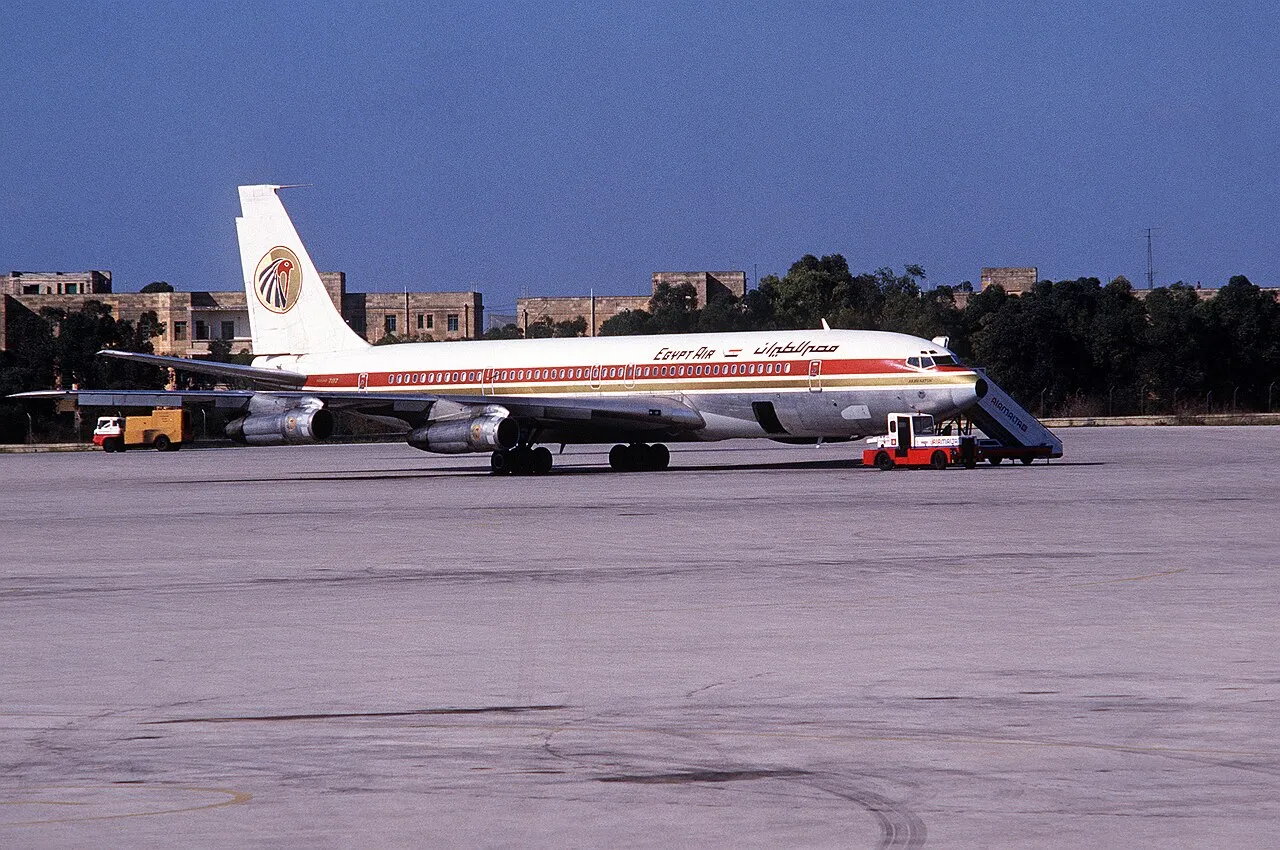
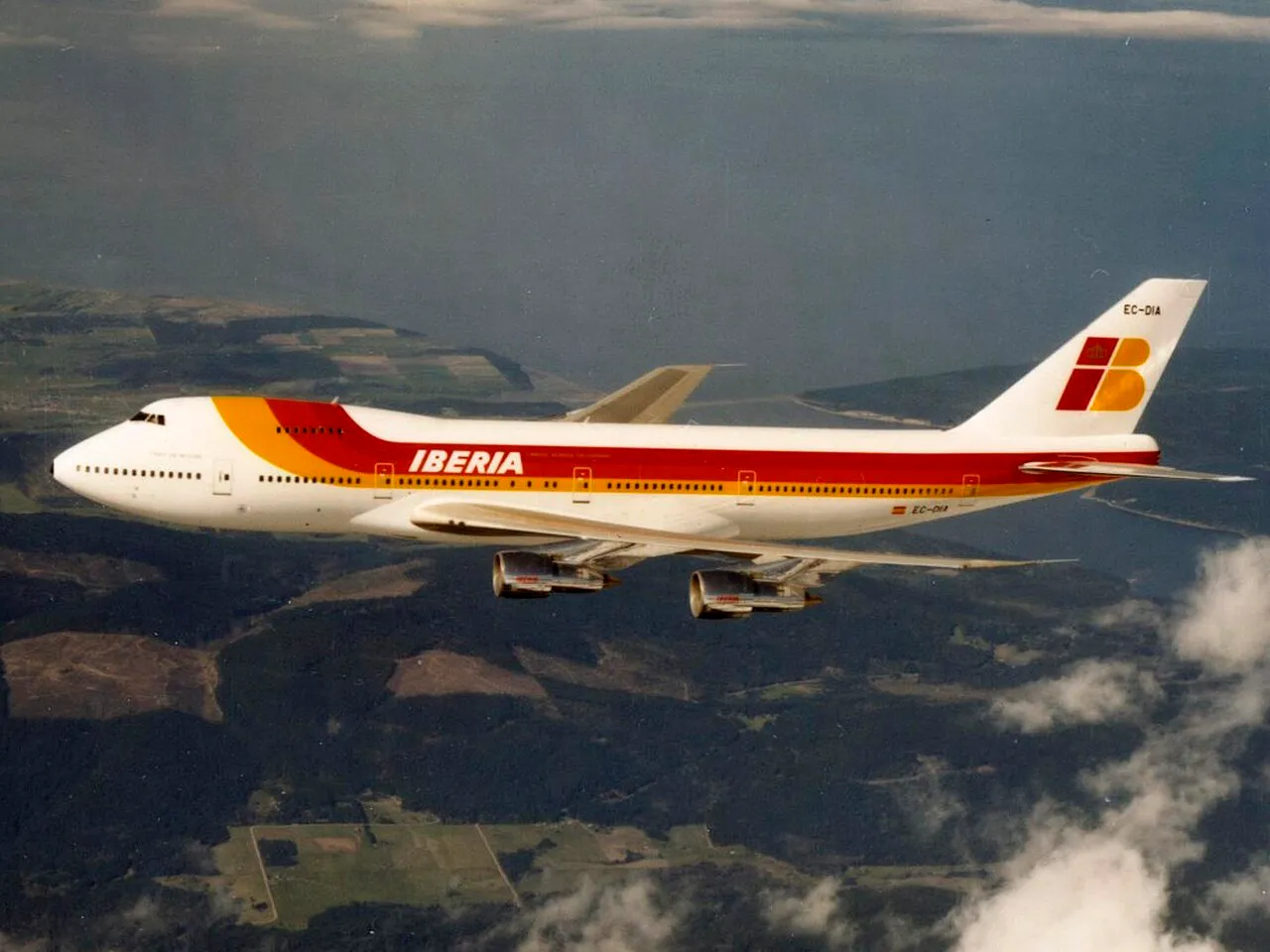
- Boeing 747: the four-engine widebody the 777 was designed to complement and, on many routes, eventually replace.
- Airbus A330: a twin-engine widebody for medium-to-long routes, smaller and shorter-ranged than most 777 variants.
_ZbySau.webp)
_ZnEDr2.webp)
_Z1wAcy8.webp)