Contents
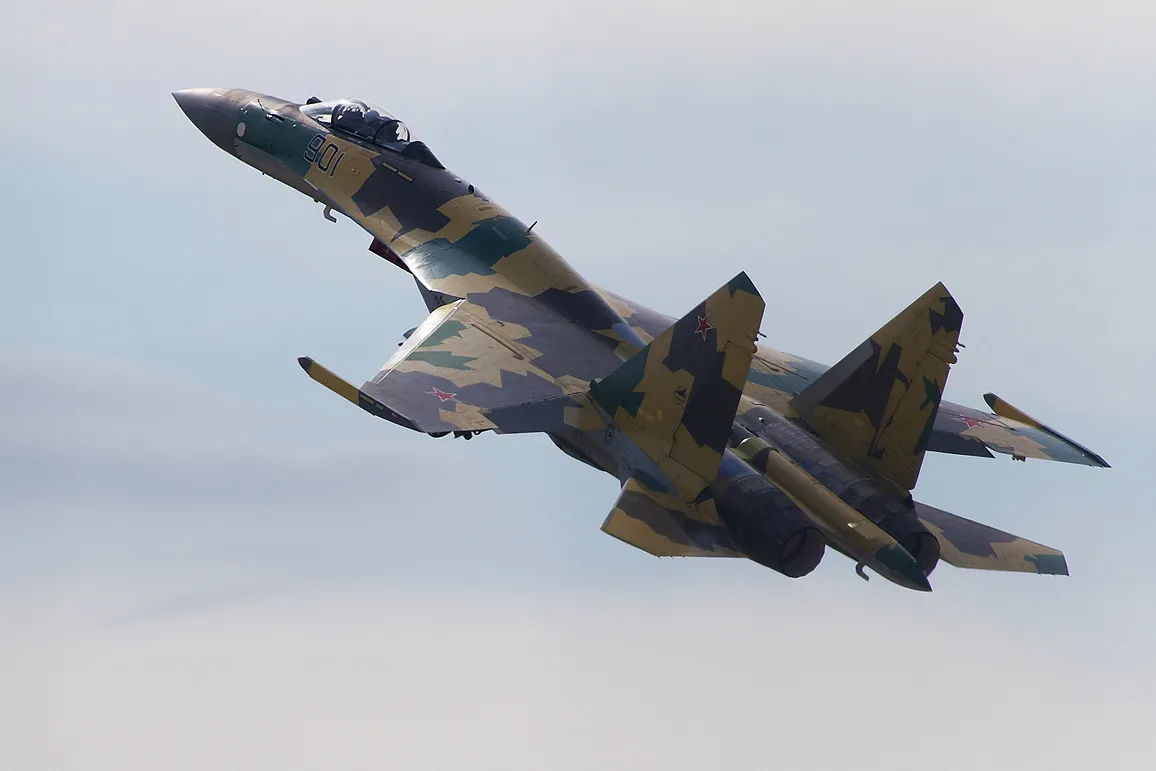
The Sukhoi Su-35 is a single-seat, twin-engine air-superiority fighter built on the Su-27 “Flanker” airframe. Sukhoi designed it and the Komsomolsk-on-Amur Aircraft Production Association (KnAAPO) builds it, and it remains in service1 with the Russian Aerospace Forces as a long-range interceptor and multirole fighter, with a handful of export customers besides.
Design and development
The Su-35 name began with the Su-27M, a heavily reworked Su-27 with canards and a more powerful N011 radar that first flew on 28 June 1988. Sukhoi built only 12 of that canard-equipped type before the Soviet collapse cut off its funding1, and it never reached mass production.
Sukhoi revived the programme in the 2000s as an interim export fighter while the PAK FA, later the Su-57, was still in development. The resulting Su-35BM dropped the canards, added thrust-vectoring Saturn AL-41F1S engines and a new glass cockpit with larger multi-function displays, and made its first flight on 19 February 20081. The thrust-vectoring nozzles give the production aircraft the supermaneuverability the type is known for, including manoeuvres such as the Pugachev’s Cobra that earlier Flankers pioneered.
Specifications
The Su-35S is 21.9 metres long with a wingspan of 15.3 metres, close to the dimensions of the Su-27 it descends from, and has a maximum take-off weight of 34,500 kg. It is powered by two Saturn AL-41F1S afterburning turbofans with thrust-vectoring nozzles, which give it a cruise speed above Mach 1.1 at medium altitude without using afterburner. Range is about 3,600 km at altitude, extending to roughly 4,500 km with two external fuel tanks, with a combat radius of around 1,600 km. The aircraft is flown by a single pilot; a two-seat trainer version, the Su-35UB, exists alongside it. More than 155 production Su-35S aircraft had been built by 20261, on top of the 12 Su-27M aircraft from the 1990s programme.
Variants
The original Su-27M was the canard-equipped experimental type of the late 1980s and early 1990s, from which a single example was further modified into the Su-37, a technology demonstrator that showcased thrust-vectoring nozzles and a glass cockpit. The Su-35BM, unveiled in 2007, dropped the canards in favour of thrust vectoring and became the basis for the production Su-35S, which the Russian defence ministry ordered in August 2009 and which carries the N035 Irbis-E radar. An upgraded Su-35SM, fitted with an N036 Byelka AESA radar and a new electronic-warfare suite, is in development1.
Operators and service
Russia is the largest operator, flying the Su-35S with its Aerospace Forces; the Russian Knights aerobatic display team also flies the type. China ordered 24 Su-35s in a contract signed in November 2015 and received its first aircraft in December 2016, becoming the first export customer. Egypt agreed to buy more than two dozen Su-35s around 2019, but cancelled the deal in 2022 under the threat of US sanctions before most aircraft were delivered; some of the undelivered airframes were later redirected to Algeria. Indonesia signed for 11 Su-35s in 2018 but cancelled the order in 2021 over budget and sanctions pressure without taking delivery1.
Russia first deployed the Su-35S to Syria in January 2016, where it flew escort and ground-attack missions and intercepted foreign aircraft on several occasions. Since 2022 it has flown extensively over Ukraine in the air-superiority and strike roles1, a conflict in which Russia has both claimed air-to-air victories and lost a number of airframes to Ukrainian air defences.
Safety record
Development was not free of accidents: a prototype was destroyed in a taxiing accident at Dzyomgi airport on 26 April 2009, after an engine-management fault triggered an unwanted afterburner response, and the pilot ejected with burn injuries. In Russian service, the Su-35 has been among the aircraft lost to Ukrainian air defences during the Russo-Ukrainian war since 20221.
Similar aircraft
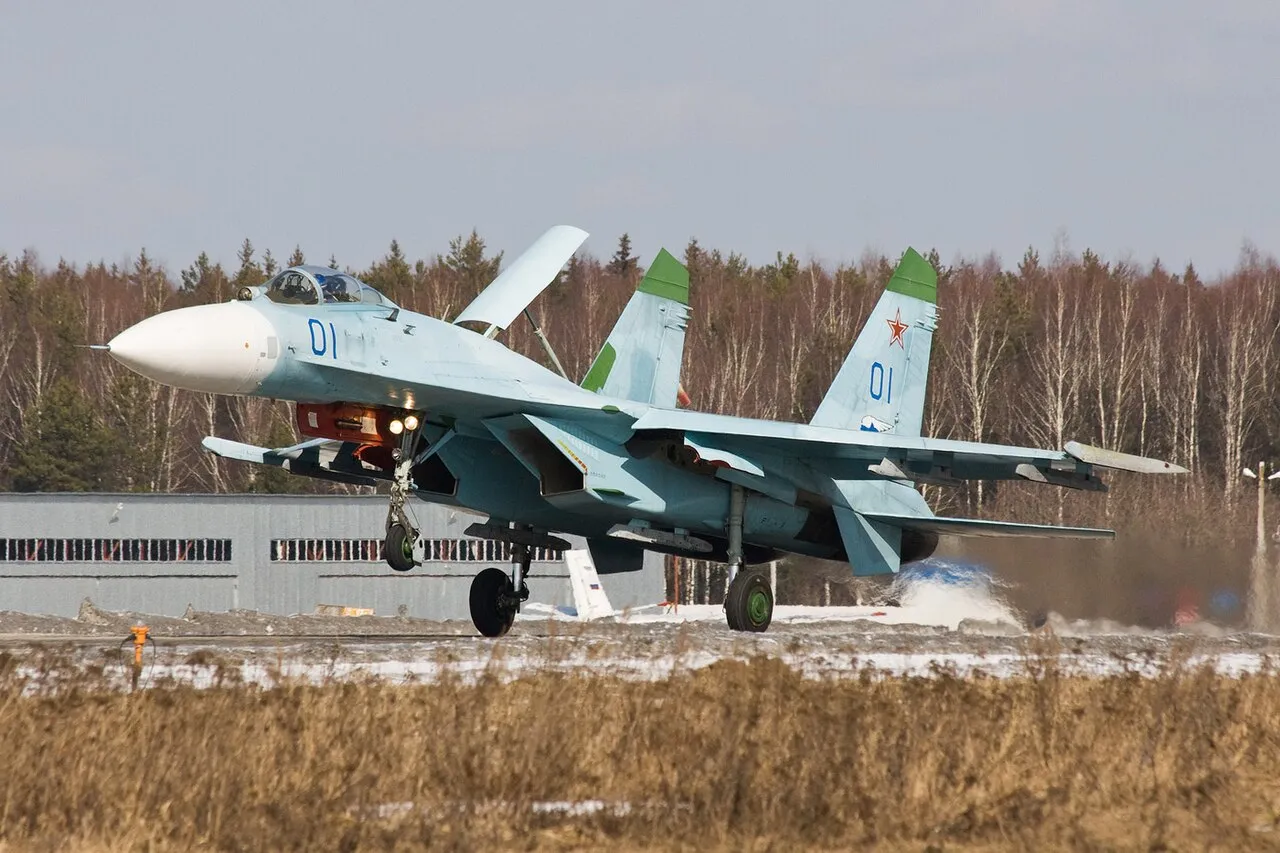
- Sukhoi Su-27: the single-seat Flanker airframe the Su-35 was developed from.
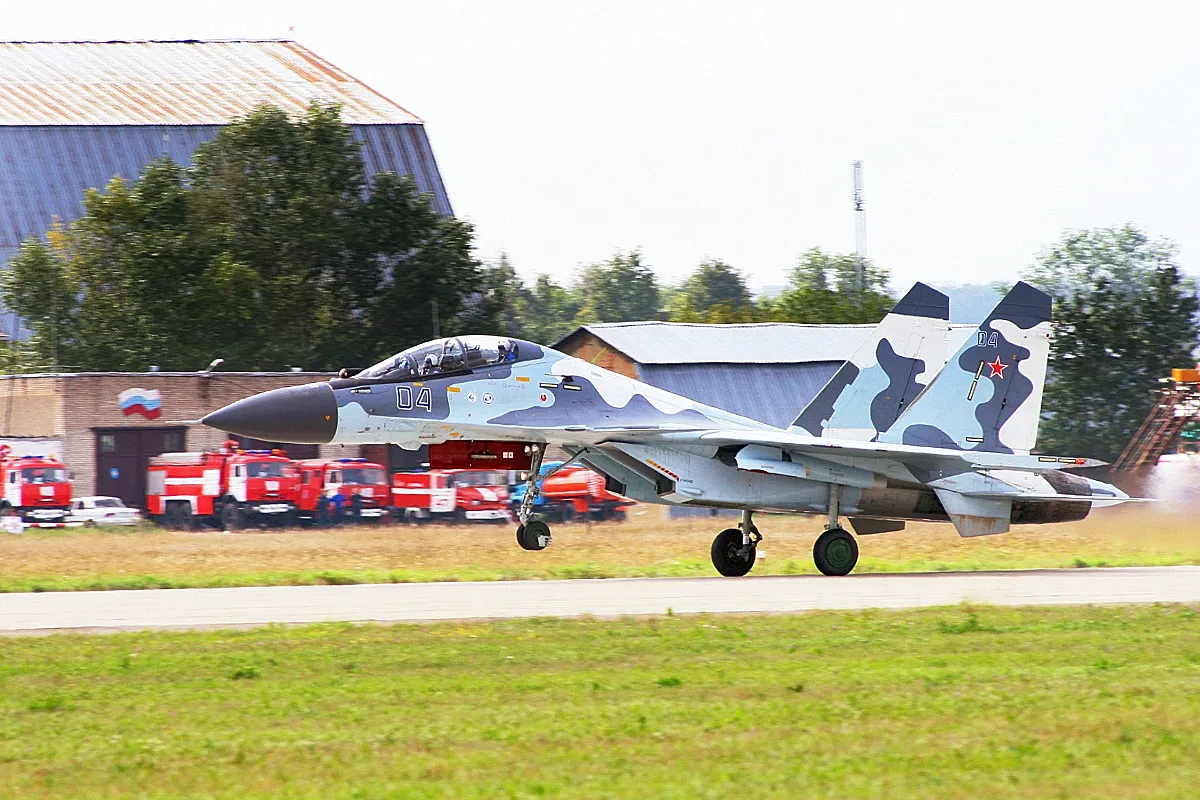
- Sukhoi Su-30: the two-seat multirole Flanker derivative sold to many of the same export customers.
- McDonnell Douglas F-15 Eagle: a Western twin-engine air-superiority fighter of a comparable size and role.