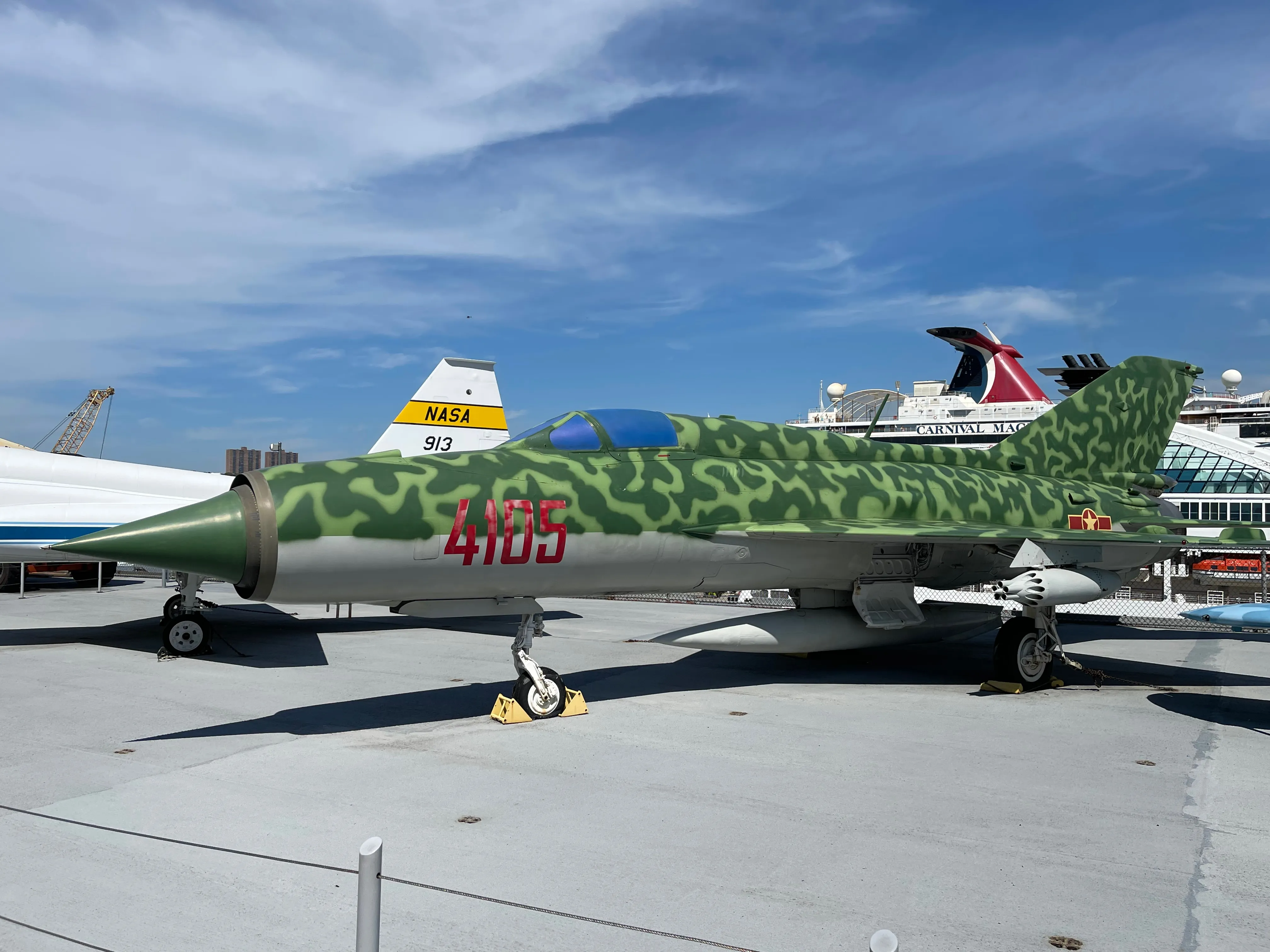
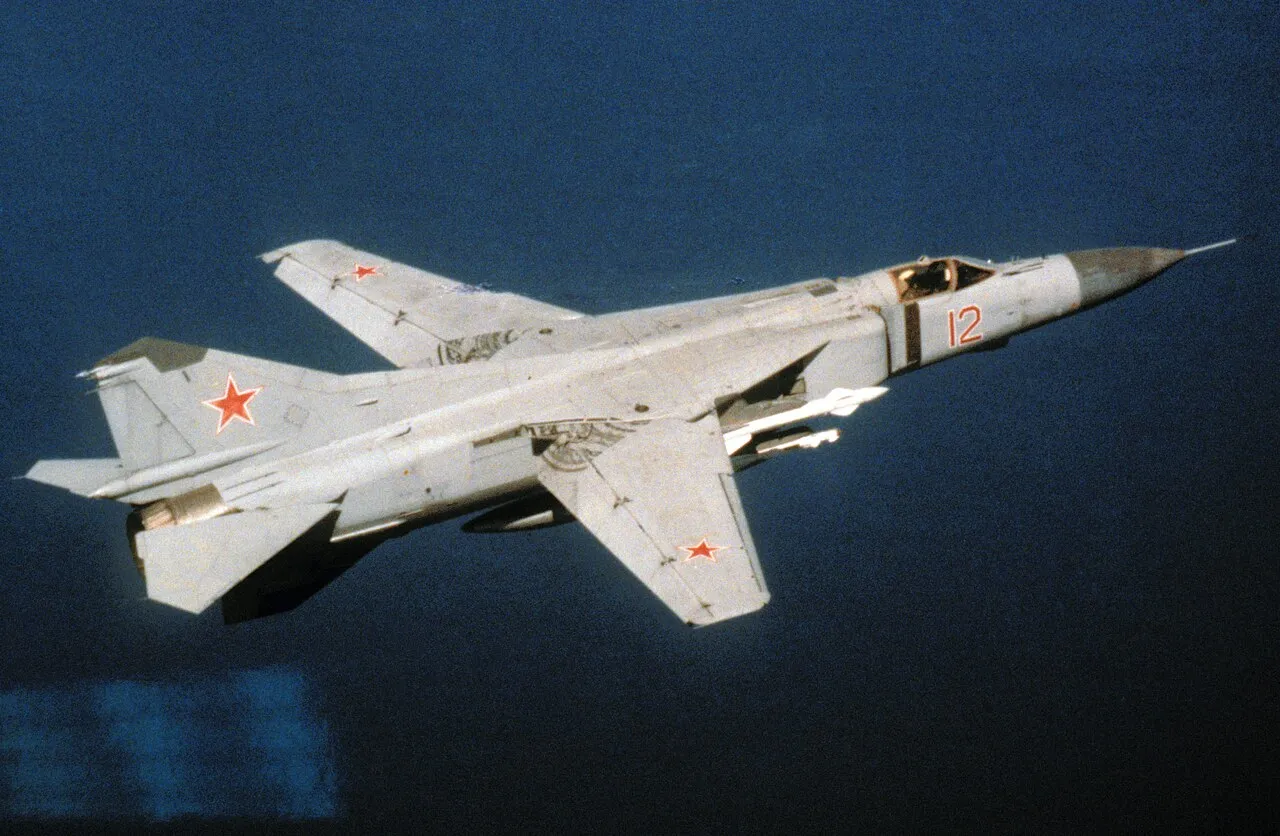
_ZfgbMz.webp)
The Mikoyan-Gurevich MiG-19 is a single-seat, twin-engine jet fighter and the first Soviet production aircraft capable of sustained supersonic flight in level flight. Mikoyan-Gurevich (OKB-155) built it for the Soviet Union1, developing it directly from the subsonic MiG-17 to answer new Western jets of the early 1950s. NATO gave it the reporting name “Farmer.”
Design and development
The type began life as the SM-2/I-360 prototype, which made its first flight on 24 May 1952 as a twin-engine development of the MiG-17 with a more sharply swept tailplane to control pitch-up at high speed. The programme moved quickly once the layout was proven, and the production MiG-19 entered service with Soviet forces in March 19551.
Twin afterburning engines, rather than a single larger one, gave the MiG-19 the thrust to cross the sound barrier in level flight, something the MiG-17 could only approach in a dive. The design proved adaptable: later variants added radar for all-weather interception and traded guns for early air-to-air missiles, keeping the airframe relevant even as supersonic fighter design moved on quickly in the late 1950s.
Specifications
The MiG-19 is 12.54 m long with a wingspan of 9 m. Its maximum take-off weight reaches 8,832 kg with two drop tanks and rocket pods. Combat range is about 1,390 km, rising to 2,200 km in ferry configuration with drop tanks. Power comes from two Tumansky RD-9B afterburning turbojets, rated at 25.5 kN dry thrust and 31.8 kN each with afterburner. The fighter carries a single pilot1.
Variants
Early production comprised the MiG-19 day fighter and the MiG-19S, which added an all-moving tailplane for better control at high speed. The Soviet Union also built the MiG-19P and MiG-19PM all-weather interceptors, fitted with search radar and, in the PM’s case, air-to-air missiles instead of guns. The design was produced under licence in Czechoslovakia and, as the Shenyang J-6, in China1, where it also formed the basis of further Chinese derivatives.
Operators and service
The Soviet Union built 2,172 MiG-19s between 1954 and 1968, a figure that excludes the large licensed production runs in Czechoslovakia and China. It served with the Soviet Union and a long list of allied air forces during the Cold War. It has long been retired from frontline Soviet and Russian service, though the Chinese-built Shenyang J-6 derivative remained in limited use with a small number of air forces into the 2010s1.
Similar aircraft
- Mikoyan-Gurevich MiG-17: the subsonic fighter the MiG-19 was developed from, sharing much of its basic layout.
- Mikoyan-Gurevich MiG-21: the delta-wing fighter that succeeded the MiG-19 in Soviet service.
- North American F-86 Sabre: the earlier American swept-wing fighter the MiG-19’s Soviet predecessors were designed to counter.
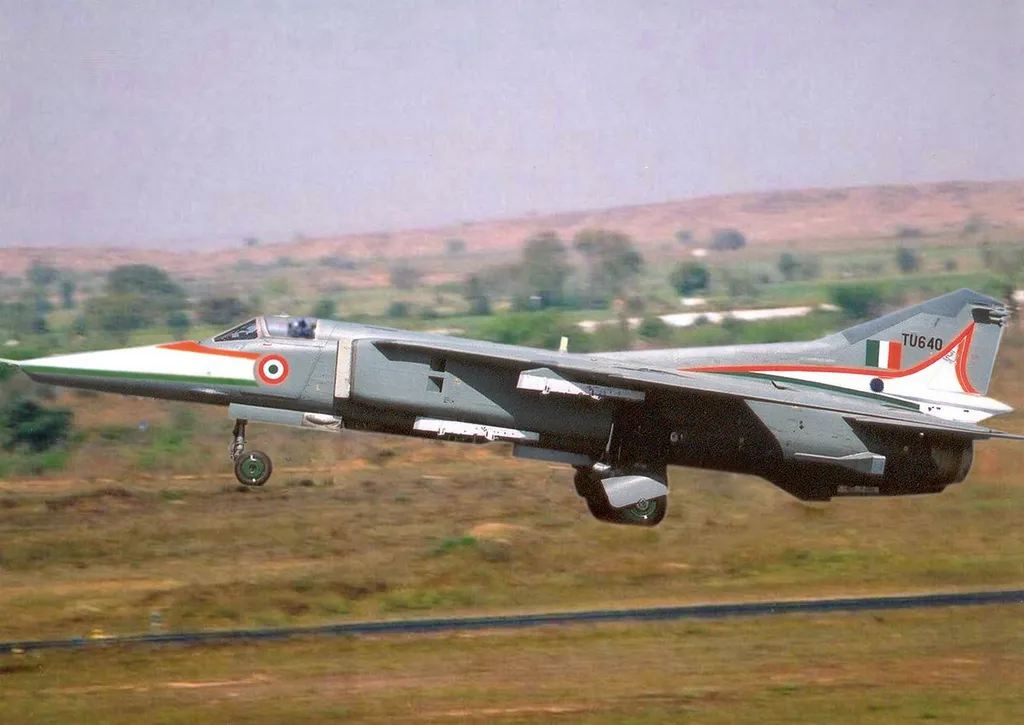
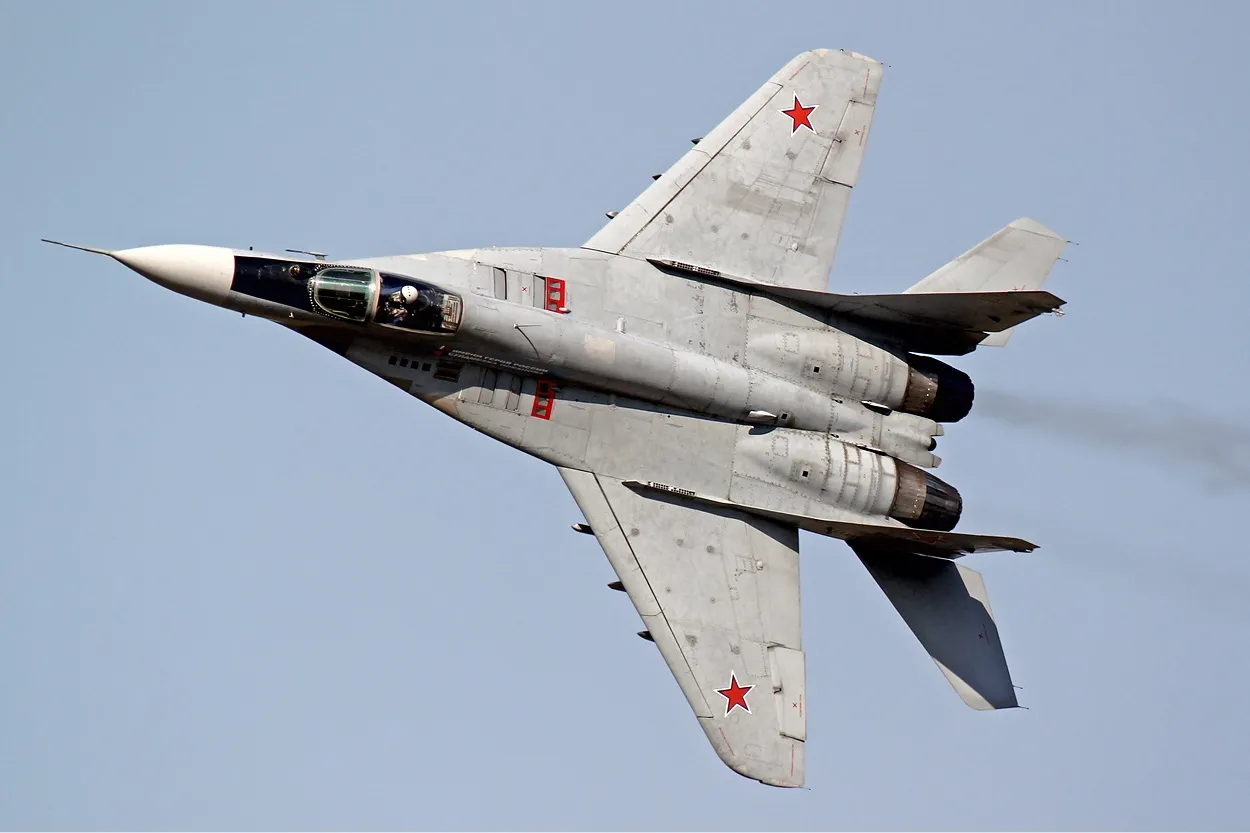
_fA8XS.webp)
_2dTk34.webp)